
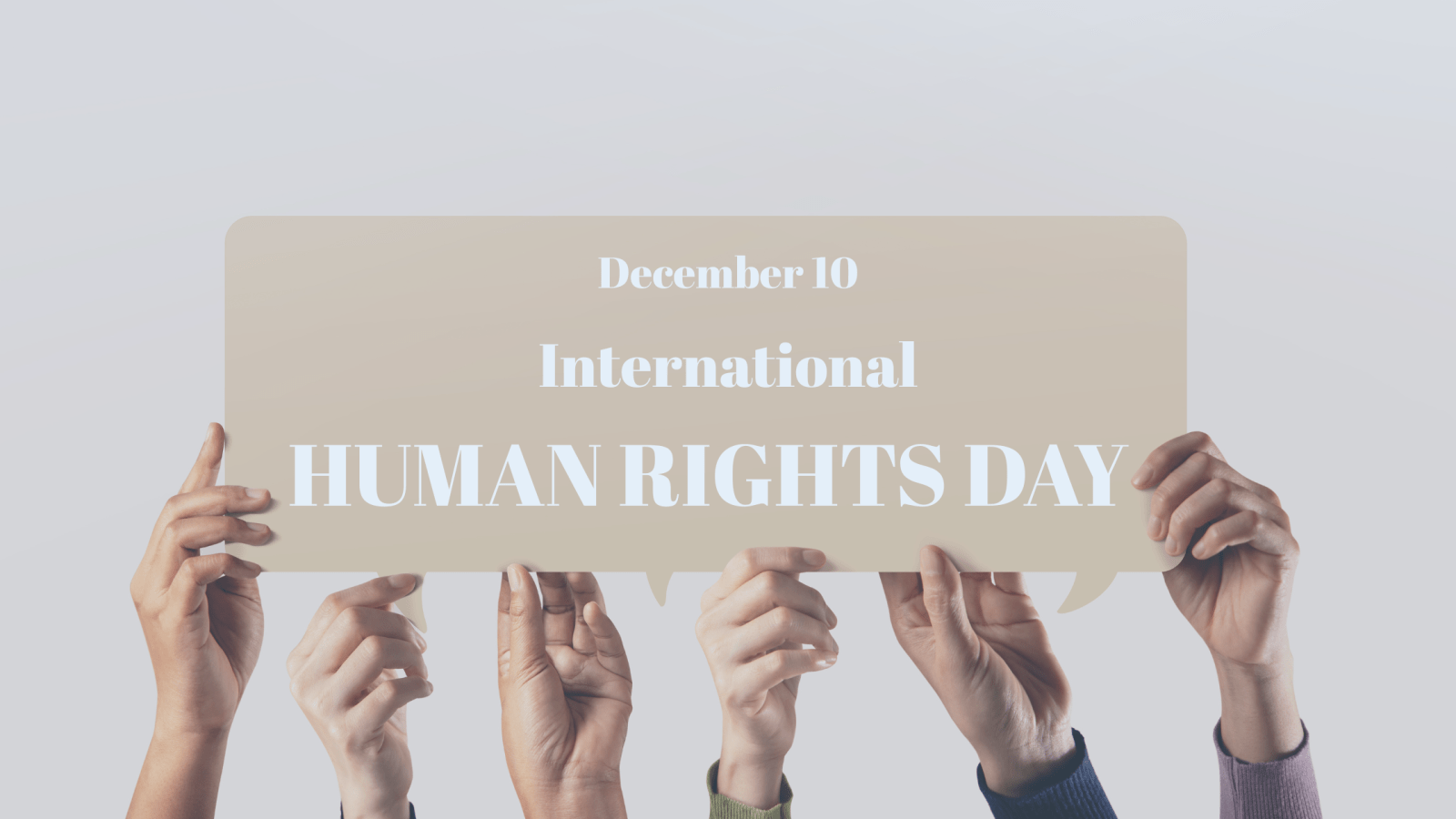
Every year on December 10, communities around the world celebrate Human Rights Day, marking the anniversary of the Universal Declaration of Human Rights (UDHR) — a groundbreaking document adopted in 1948 that united nations around fairness, dignity, and equality for all.
This year’s global theme — “Human Rights, Our Everyday Essentials” — reminds us that human rights are not abstract concepts. They shape our daily lives, influencing the opportunities, freedoms, and moments we often take for granted. These rights show up in our everyday experiences here in Burnaby, whether it’s understanding tenant protections, accessing public services, or ensuring that neighbours feel welcome, safe, and included.
Human rights literacy helps individuals navigate systems, support one another, and contribute to strong, informed, and connected communities.
Why Human Rights Literacy Matters
Human rights are connected to our everyday experiences. Understanding them helps people of all ages:
- feel safe and supported in their communities
- access public services, healthcare, and education
- understand protections and laws in British Columbia and Canada
- participate in community decisions
- recognize and respond to discrimination
- strengthen inclusion and belonging
When people understand their rights — and the rights of others — it fosters empathy, awareness, and a stronger, safer, and more supportive community.
Human rights literacy also helps us:
- navigate systems with confidence
- advocate for ourselves and others
- identify misinformation and bias
- promote empathy and inclusion
- build respectful, welcoming neighbourhoods
These skills empower individuals and contribute to a healthier, more resilient Burnaby.
Human Rights, Our Everyday Essentials
This year’s Human Rights Day campaign highlights three central ideas:
- Human rights are Positive — They protect us and bring stability, opportunities, safety, and joy into our daily lives.
- Human rights are Essential — They form the foundation we all rely on and connect us across cultures, experiences, and identities.
- Human rights are Attainable — They grow from simple, everyday actions: respecting one another, standing up for fairness, and treating everyone with dignity. Individual choices matter — and collective efforts make a lasting impact.
Explore the Global Campaign: #OurEverydayRights
This year, the United Nations invites individuals and families worldwide to share the moments, values, and rights that matter most to them.
You can participate by posting:
- a photo
- a message
- a personal story
…about your own everyday essentials, using #OurEverydayRights.
Learn more and explore global stories at: https://www.un.org/en/observances/human-rights-day
Human Rights in Everyday Life: Simple Ways to Learn More
Right here in Burnaby, human rights show up in many practical ways. Here are simple ways to learn, reflect, or start meaningful conversations:
1. Visit the Burnaby Public Library
Explore books and resources on:
- cultural understanding
- equity and inclusion
- Indigenous rights
- global citizenship
- diversity and fairness
Tip: Library staff can help you find age-appropriate materials for children and teens.
2. Join a Community Workshop or Dialogue
Local organizations — including Burnaby Neighbourhood House and MOSAIC — often offer sessions on:
- diversity and inclusion
- newcomer rights
- community safety
- anti-discrimination education
3. Watch a Human Rights Story with Your Family
Documentaries, children’s storybook read-alouds, or short educational videos can spark conversations about fairness, kindness, and dignity.
4. Learn How to Spot Reliable Information Online
Digital literacy is also human rights literacy. It includes learning to:
- identify trustworthy information
- understand credible sources
- avoid misinformation
These skills help protect people’s rights and strengthen community connections.
5. Connect with Local Support Services
Burnaby residents have access to programs that help protect and support their rights, including:
- legal information and tenant rights
- newcomer settlement support
- community health resources
- advocacy organizations
Empowerment begins with knowing what’s available.
Local & Online Resources
United Nations Human Rights
Information on Human Rights Day, UDHR, and global educational tools.
Burnaby Public Library — Diversity & Inclusion Resources
Books, learning materials, and community programs.
Burnaby Neighbourhood House
Programs for families, newcomers, youth, and residents; cultural programs; safety initiatives; workshops.
MOSAIC
Information on newcomer rights, integration in BC, settlement services, and community advocacy.
People’s Law School (BC)
Free, easy-to-understand legal information on tenancy, employment, consumer rights, and more.
A Day to Reflect — and a Reminder for the Year Ahead
Human Rights Day reminds us that dignity, equality, and fairness are shared responsibilities.
By learning more, asking questions, and supporting one another, we can create a community where everyone feels safe, welcome, and informed.
This December 10, consider:
- learning something new
- sharing your everyday essentials
- starting a conversation at home or work
- exploring community resources
- standing up for kindness, fairness, and inclusion
Building human rights literacy is one small step toward a more inclusive future — and it starts with awareness, empathy, and community connection.