
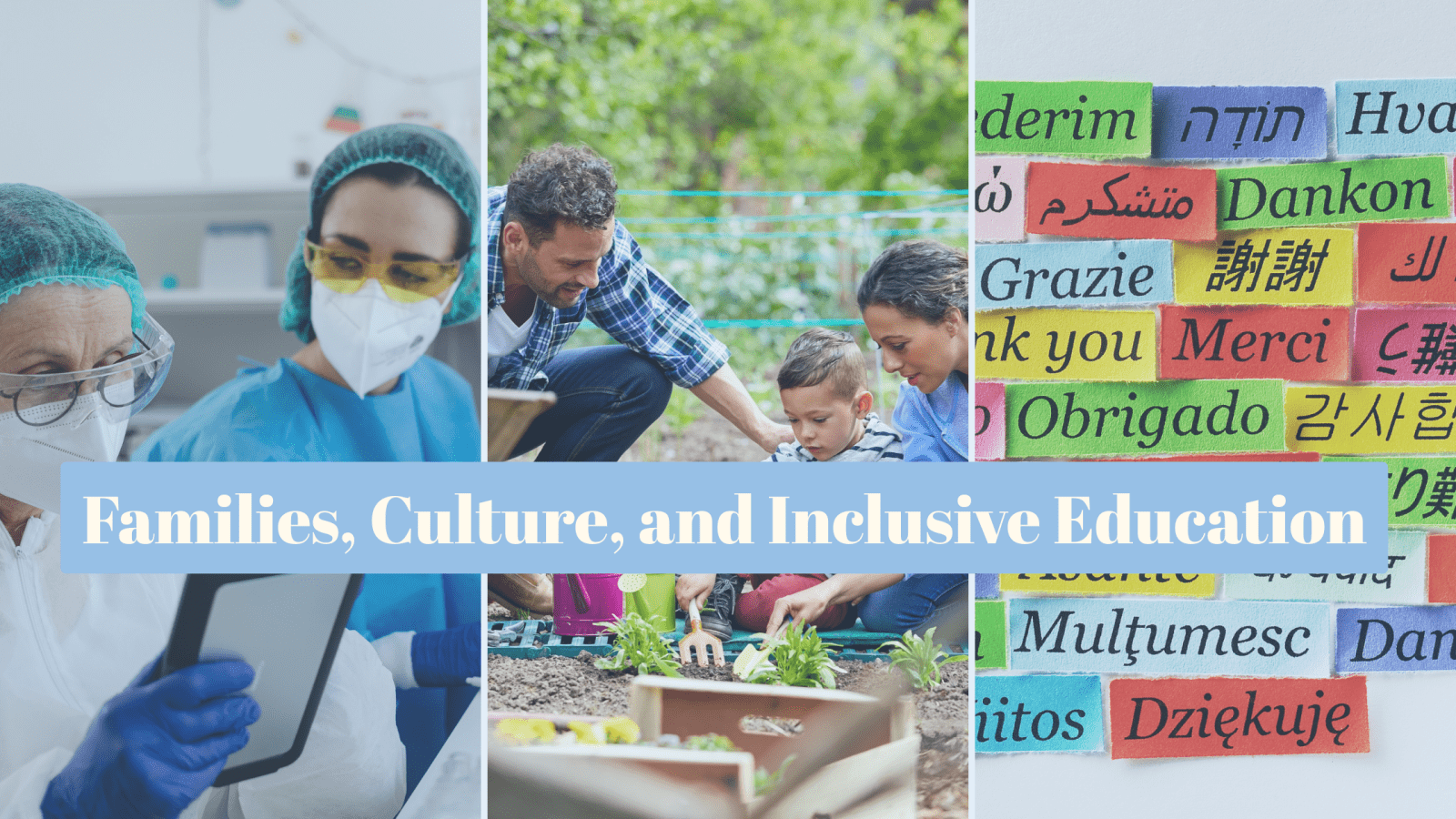
Learning doesn’t happen in just one place. It begins in families, grows through language and culture, and expands through education that gives everyone the opportunity to explore the world. Families, culture, and inclusive education all play an important role in strengthening literacy in our communities.
Each February, three global observances remind us of the importance of inclusive learning and community literacy:
- International Day of Women and Girls in Science – February 11
- BC Family Day – Third Monday in February – February 16
- International Mother Language Day – February 21
While these observances celebrate different themes, they all highlight a shared idea: access to knowledge, education, and language strengthens individuals, families, and communities.
Why Literacy Matters in Every Area of Life
Literacy today goes far beyond reading and writing. It also includes:
- Science literacy — understanding scientific ideas and evidence
- Language literacy — communicating across cultures and languages
- Family literacy — learning together across generations
When communities support these forms of literacy, people are better able to participate in education, employment, civic life, and decision-making.
Women and Girls in Science: Expanding Opportunities in STEM
Every year on February 11, the world recognizes the United Nations observance of the International Day of Women and Girls in Science, highlighting the importance of gender equality in scientific fields.
Although progress has been made, women and girls remain underrepresented in many science, technology, engineering, and mathematics (STEM) careers. According to global education research supported by the United Nations, women represent only about one-third of researchers worldwide, and gender gaps remain especially large in engineering and technology fields.
Encouraging science literacy for all children — especially girls — helps:
- break stereotypes about who can work in science
- inspire future scientists and innovators
- promote diversity of ideas in research and technology
- support solutions to global challenges such as climate change and health
Libraries, schools, and community programs play a powerful role in helping young people explore science through curiosity, creativity, and mentorship opportunities.
Learn more at: https://www.un.org/en/observances/women-and-girls-in-science-day/
Families as the First Place Learning Happens
In BC, the Government of British Columbia celebrates BC Family Day each February, encouraging families to spend time together and participate in community activities.
Family learning moments can happen anywhere:
- reading stories together
- visiting a museum or library
- exploring nature
- doing simple science experiments
- sharing cultural traditions and languages
These everyday activities strengthen literacy skills while also building confidence and curiosity in children.
Local community events — such as recreation programs, museum visits, arts and crafts activities, and sports — give families opportunities to learn together while strengthening community connections.
For Burnaby residents, the City of Burnaby often offers free or low-cost Family Day activities through recreation centres and museums. Learn more at City of Burnaby Events page
Celebrating Language and Cultural Diversity
Language is deeply connected to identity, culture, and learning. Every year on February 21, the world marks International Mother Language Day, also recognized by UNESCO.
The day highlights the importance of protecting linguistic diversity and promoting multilingual education.
Languages do more than help us communicate. They carry:
- cultural traditions
- history and storytelling
- ways of understanding the world
Globally, thousands of languages are spoken, yet many are at risk of disappearing. UNESCO estimates that a language disappears roughly every two weeks. This makes efforts to preserve and revitalize languages especially important.
Multilingual education and cultural awareness help build more inclusive societies where everyone feels seen, heard, and respected.
In multicultural communities like Burnaby, language diversity is a strength. Many residents speak multiple languages, bringing rich cultural perspectives to schools, workplaces, and neighbourhoods.
Learn more at: https://www.un.org/en/observances/mother-language-day
Building Inclusive Learning Communities in Burnaby
Supporting literacy means recognizing the many ways people learn and share knowledge.
Local organizations and resources help make learning accessible to everyone:
Burnaby Public Library
Offers multilingual materials, educational programs, digital resources, and family learning activities.
Burnaby Neighbourhood House
Provides programs that support newcomers, families, and community connections through workshops and learning opportunities.
Literacy Now Burnaby
Promotes literacy initiatives that help residents access information, build skills, and participate fully in their communities.
Small Ways to Support Learning and Inclusion
Here are a few simple ways families and community members can celebrate learning year-round:
- Encourage curiosity and ask questions about how things work
- Read books written by diverse authors and cultures
- Support girls’ interest in science and technology
- Share stories and traditions in your home language
- Attend local library programs or community events
- Explore museums, parks, and cultural centres together
These small actions help create a culture where learning, language, and inclusion thrive.
Learning Is a Lifelong Journey
Whether through family activities, language preservation, or encouraging girls to explore science, literacy plays a vital role in building stronger and more inclusive communities.
By supporting education and curiosity in all its forms, we help ensure that everyone — regardless of background, language, or gender — has the opportunity to learn, grow, and contribute.
Related Blog Posts