Bridging Ideas, Communities, and Lifelong Learning
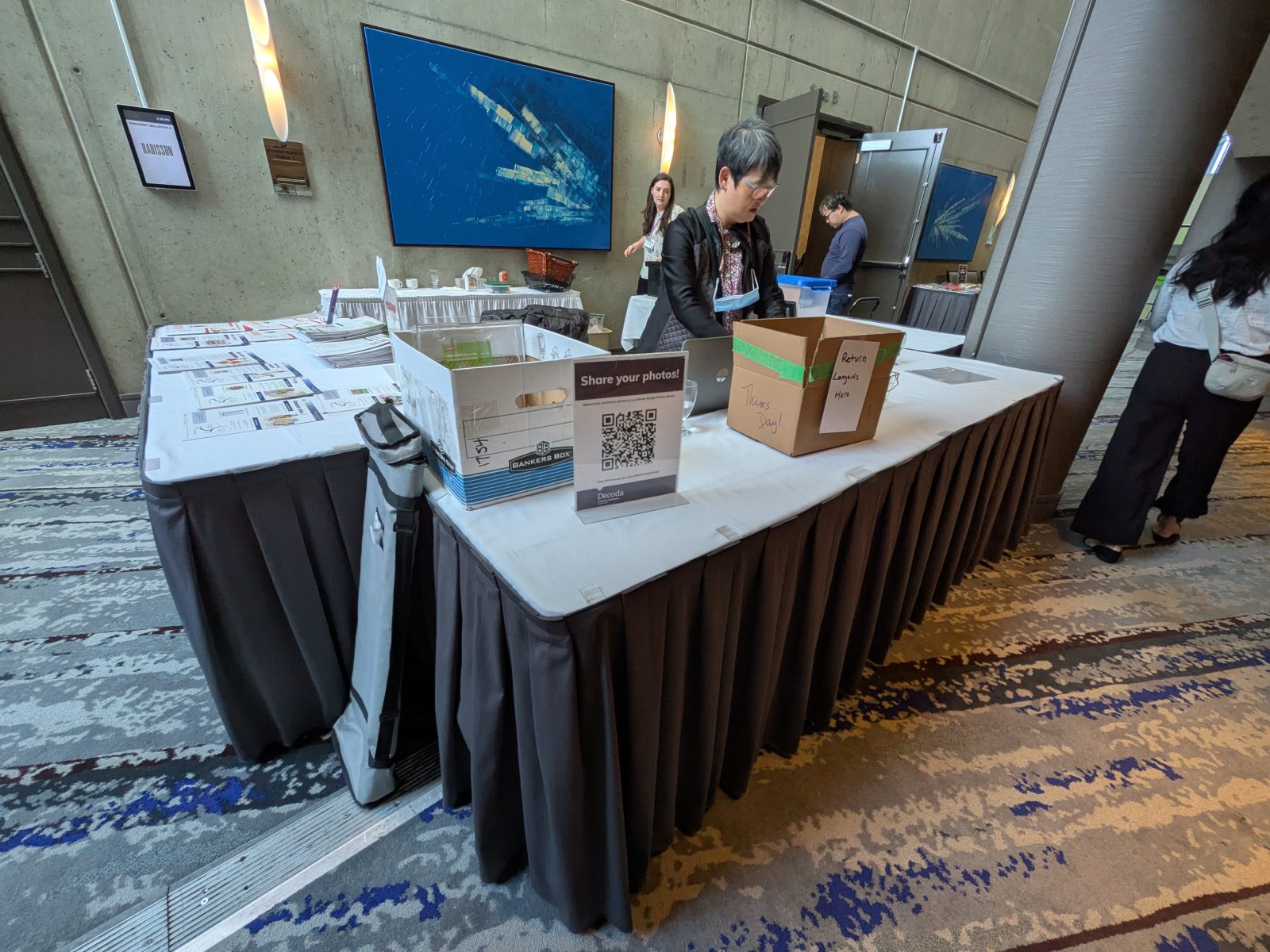
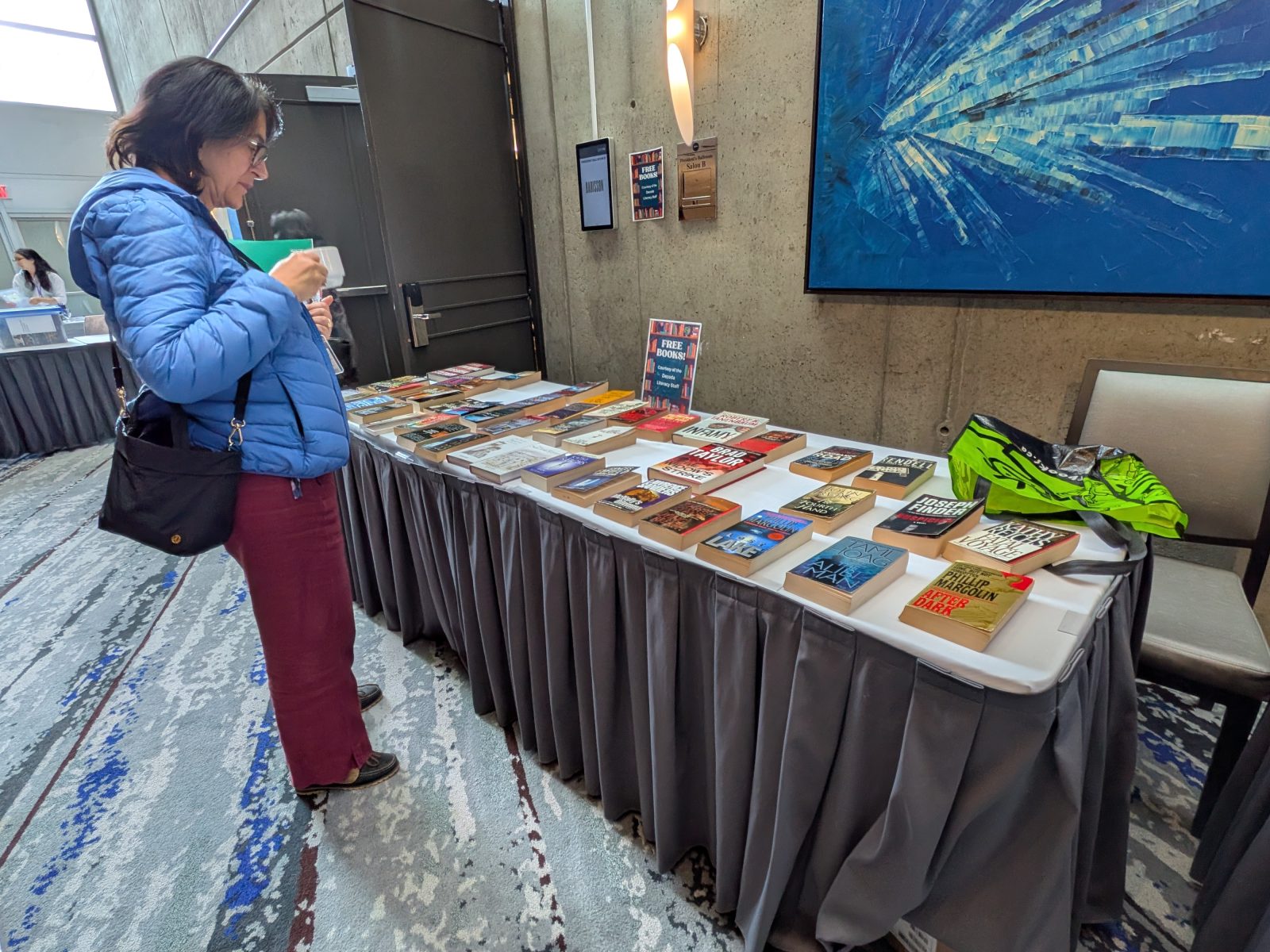
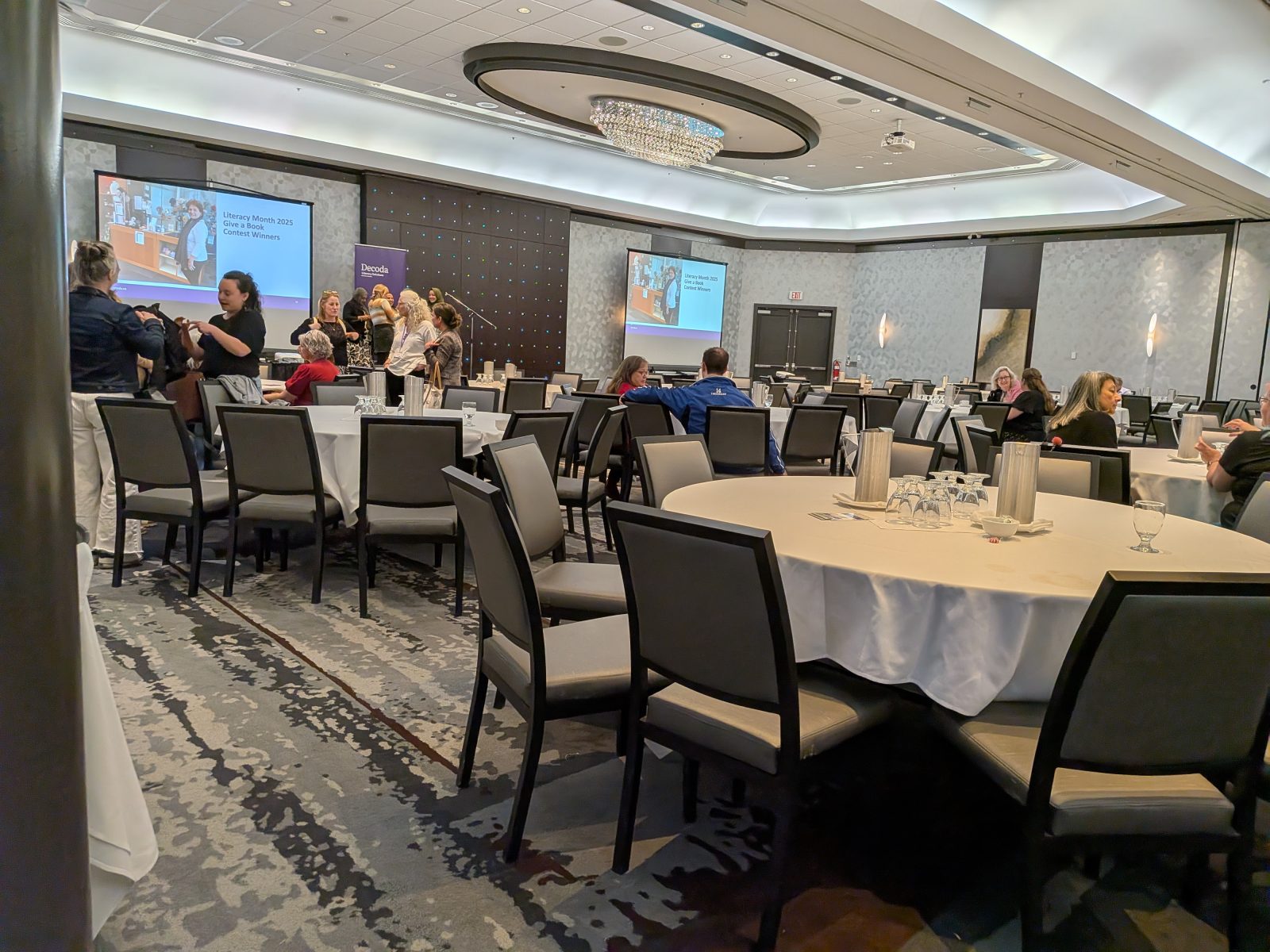
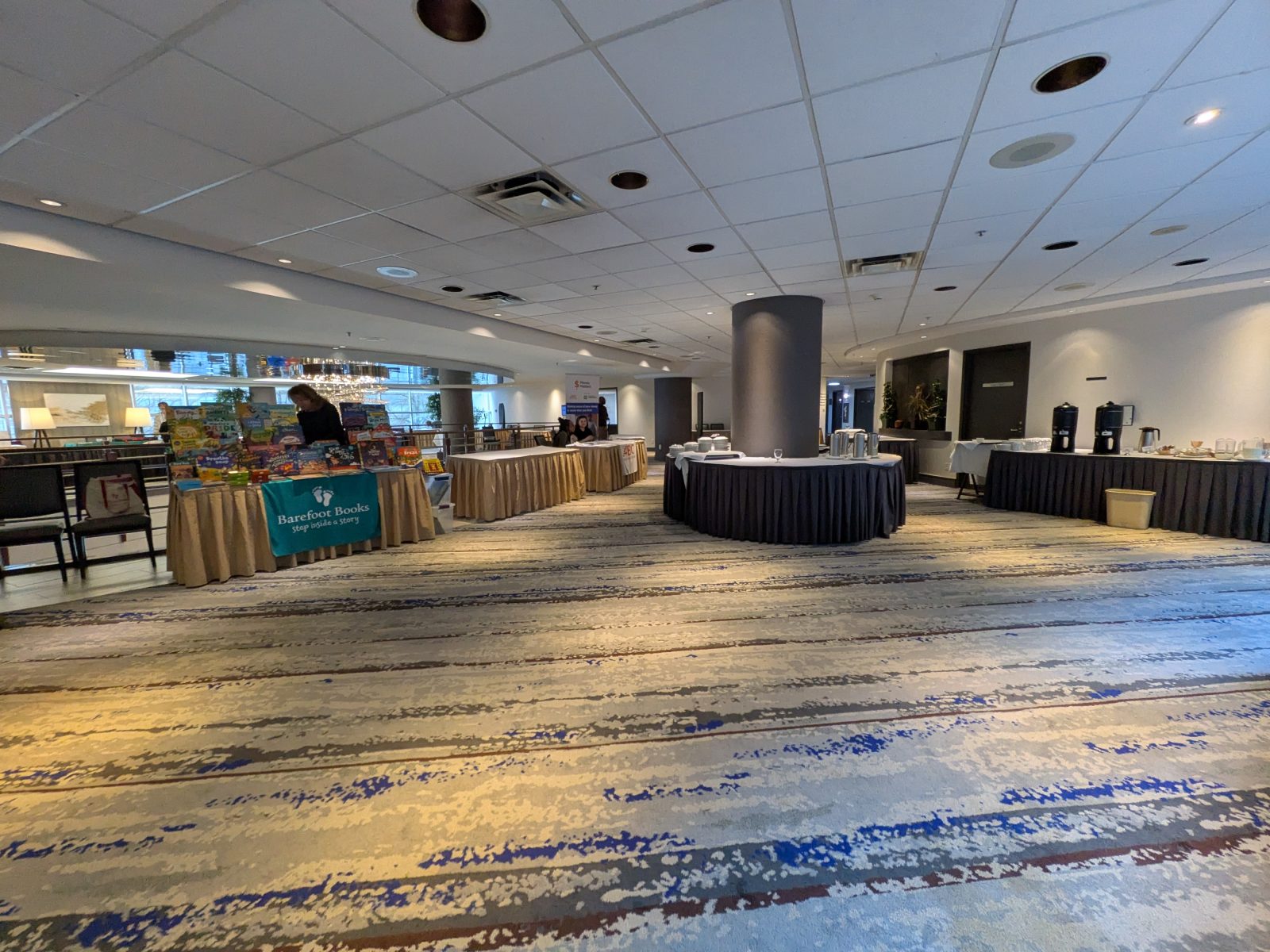
From April 15 to 17, literacy practitioners, educators, volunteers, librarians, community leaders, and advocates from across British Columbia and Canada gathered in Richmond, BC for the Decoda Literacy Conference 2026.
Held every two years, the conference is one of BC’s largest literacy-focused professional learning events, bringing together people who care deeply about creating more inclusive, accessible, and connected communities through literacy. This year’s theme, “Literacy: Bridging the Gaps,” focused on building connections between people, cultures, generations, technologies, and learning opportunities. (Decoda Literacy Solutions)
Hosted at the Radisson Hotel Vancouver Airport on the traditional, ancestral, and unceded territory of the xʷməθkwəy̓əm (Musqueam) people, the conference welcomed participants for several days of workshops, conversations, networking, and knowledge-sharing. (Decoda Literacy Calendar)
For Literacy Now Burnaby, attending the conference was both inspiring and meaningful. Decoda Literacy Solutions has been a long-standing partner in supporting literacy initiatives across British Columbia, and their collaboration, resources, and leadership continue to play an important role in helping communities like Burnaby strengthen literacy awareness and access to learning opportunities for people of all ages. We are grateful to be part of this shared commitment to building more connected, informed, and inclusive communities through literacy.
A Conference Rooted in Community and Connection
One of the most inspiring aspects of the conference was the diversity of voices and experiences represented. Attendees included:
- Literacy outreach coordinators
- Adult educators
- Early childhood educators
- Library staff
- Indigenous educators
- Volunteers
- Settlement workers
- Youth leaders
- Digital literacy practitioners
- Family literacy facilitators
- Nonprofit organizations and community groups
The conference created a welcoming space where participants could learn from one another, exchange ideas, and discuss real-world literacy challenges facing communities today.
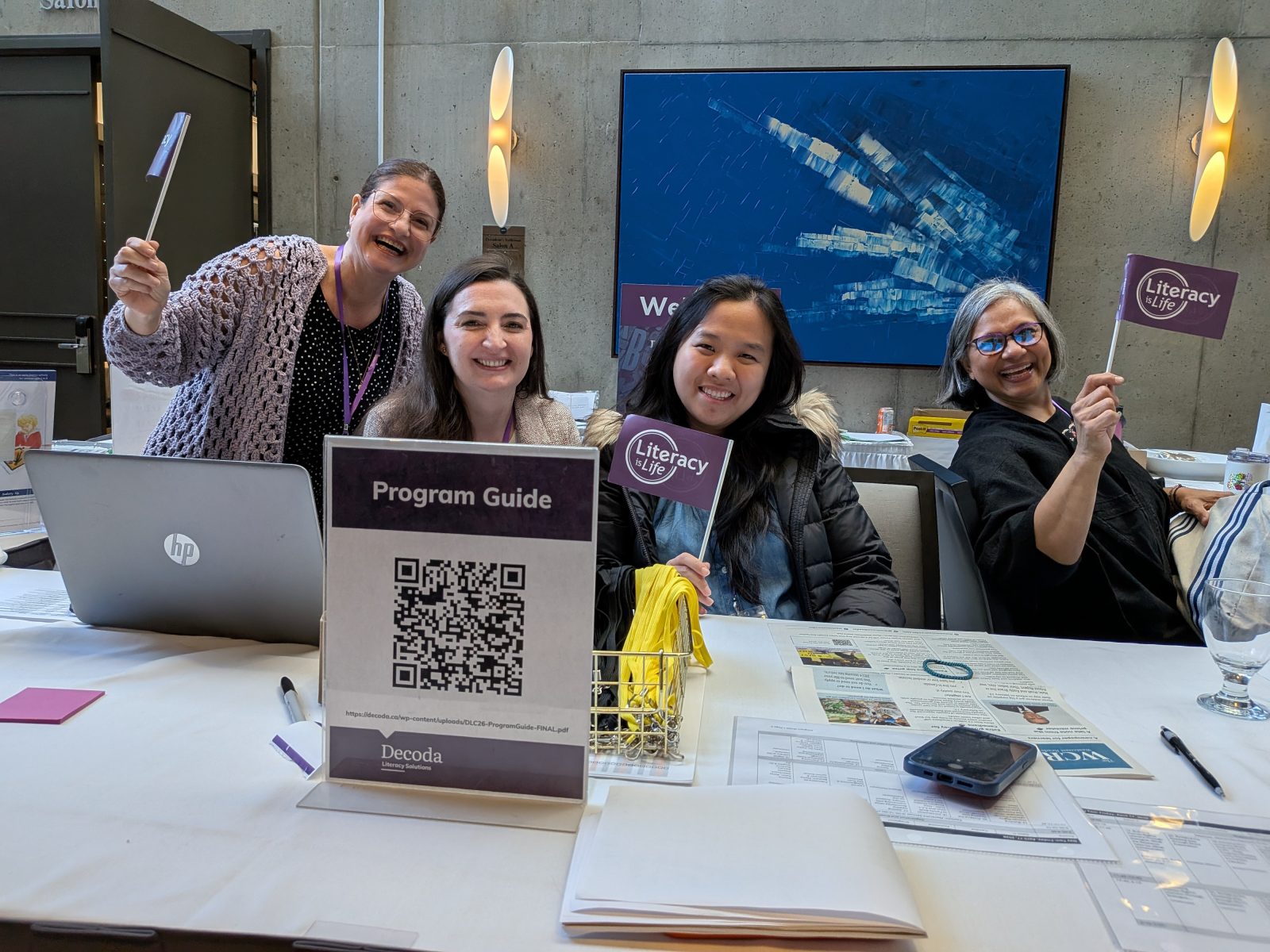
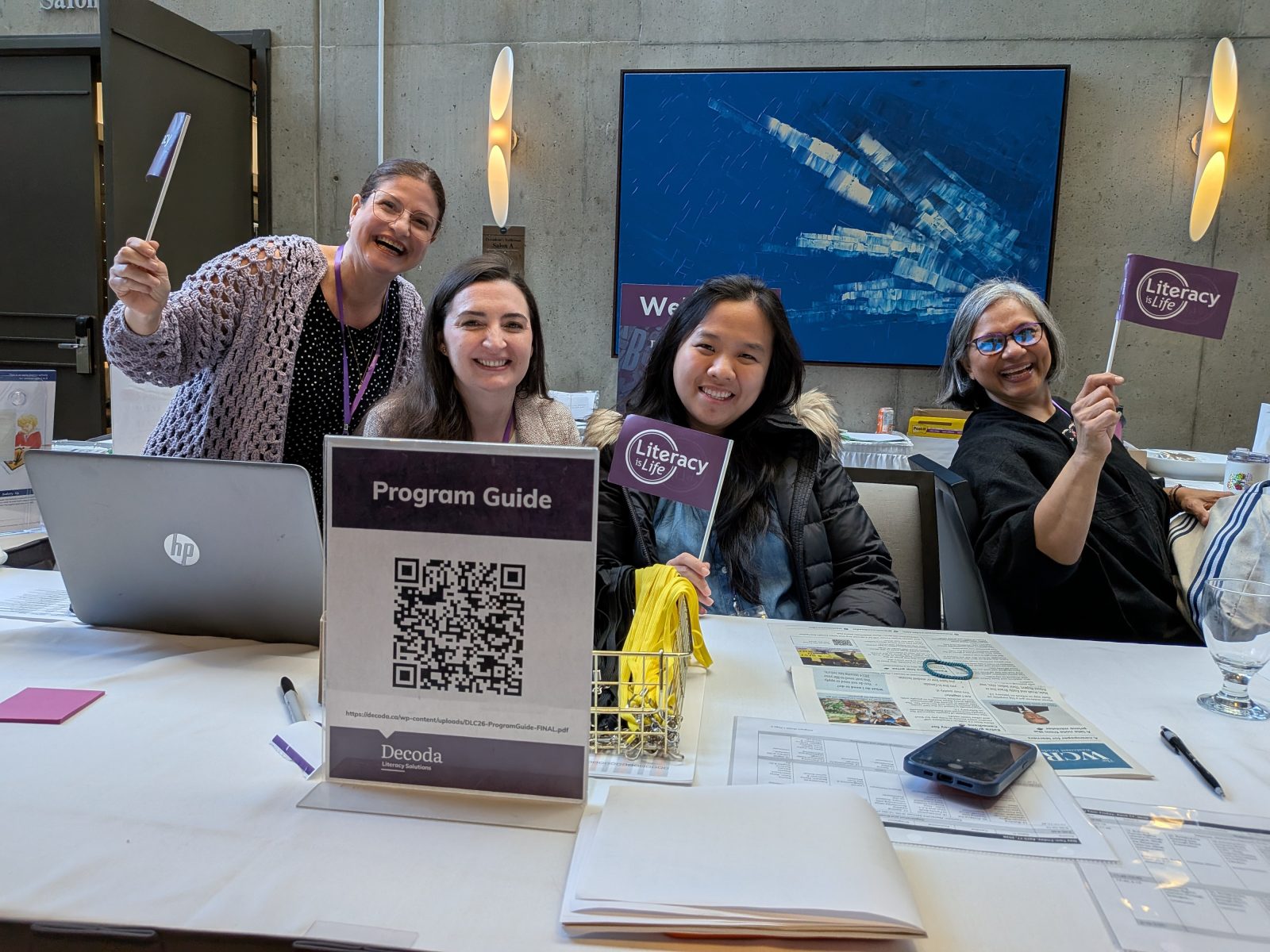
For volunteers, the experience also offered a behind-the-scenes look at organizing a large educational event while gaining valuable community and professional experience. Volunteers helped support registration, guide attendees, assist presenters, and create a welcoming environment throughout the conference. In return, they had opportunities to attend sessions, connect with literacy professionals, and learn directly from experts in the field. (Decoda Literacy Solutions)
What Does “Literacy” Mean Today?
One of the key takeaways from the conference was that literacy goes far beyond reading and writing alone. Modern literacy includes many interconnected skills that help people participate fully in everyday life, including:
- Digital literacy
- Media literacy
- Financial literacy
- Family literacy
- Health literacy
- Human rights literacy
- Workplace literacy
- Cultural and language literacy
Throughout the conference, presenters explored how literacy supports confidence, belonging, access to services, and community participation.
Many sessions focused on reducing barriers for learners of all ages and backgrounds, especially newcomers, Indigenous communities, people with disabilities, adults returning to learning, and individuals experiencing digital exclusion.
Topics That Sparked Important Conversations
The 2026 conference program covered a wide range of timely and community-focused topics. Some highlights included:
Digital Literacy and Artificial Intelligence (AI)
Several sessions explored how AI and digital tools are reshaping literacy education. Workshops such as “AI-mazing Literacy!” and “AI in Literacy: A Learning Toolkit” discussed how educators can responsibly use AI tools to support reading, communication, creativity, and personalized learning. (Decoda Literacy Solutions)
At the same time, presenters emphasized the importance of teaching critical thinking, digital safety, and equitable access to technology so no one is left behind in an increasingly digital world.
Family Literacy and Early Learning
Family literacy remained a major focus throughout the conference. Sessions explored how storytelling, music, play, and everyday activities can help children develop literacy skills while strengthening family connections.
Programs such as Parents as Literacy Supporters (PALS) highlighted:
- Play-based learning
- Inclusive family programming
- Newcomer family support
- Indigenous ways of knowing and being
- Culturally responsive teaching practices
Presenters shared creative strategies families and educators can use to make literacy joyful, accessible, and community-centered. (Decoda Literacy Solutions)
Indigenous Languages and Cultural Learning
Another powerful theme was the importance of Indigenous languages, cultural knowledge, and land-based learning.
Sessions such as “Integrating Indigenous Languages into Literacy Programs” explored how language revitalization strengthens community identity, connection, and intergenerational learning. Presenters discussed how literacy programs can respectfully include Indigenous perspectives and support reconciliation through education. (Decoda Literacy Solutions)
Human Rights and Community Literacy
The conference also highlighted how literacy connects to civic participation, inclusion, and human rights.
One session, led by the BC Office of the Human Rights Commissioner, focused on helping learners better understand their rights, navigate systems, identify misinformation, and participate confidently in society. (Decoda Literacy Solutions)
These discussions reinforced that literacy is not only about education. It is also about empowerment, confidence, and access to opportunity.
Learn more about Human Rights in British Columbia at B.C. government and the BC Office of the Human Rights Commissioner websites.
Learning Through Stories and Shared Experiences
Many participants shared that one of the most meaningful parts of the conference was hearing real stories from educators, learners, volunteers, and community organizations. Sessions explored:
- Literacy in correctional centres
- Newcomer digital support
- Literacy for adults with developmental disabilities
- Youth leadership programs
- Outreach book clubs for adults with low literacy
- Community-based food planning and financial literacy programs
- Storytelling through video and art
These conversations highlighted how literacy programs can adapt to different community needs while creating spaces where people feel respected, included, and supported.
Why Conferences Like This Matter
Community literacy work often happens quietly behind the scenes in libraries, schools, neighbourhood houses, settlement programs, and community centres. Conferences like the Decoda Literacy Conference help bring people together to exchange ideas, celebrate successes, and learn from one another.
They also remind us that literacy is lifelong, it opens doors to participation, confidence, and opportunity. Whether someone is:
- Learning English or another language
- Helping their child read
- Improving their digital skills
- Understanding online safety
- Returning to school
- Navigating healthcare or legal systems
- Exploring creative writing or storytelling
Literacy in Action Across BC
One inspiring aspect of the conference was seeing organizations from across British Columbia and Canada collaborating to support learners in creative and inclusive ways.
From libraries and neighbourhood houses to Indigenous learning centres and family literacy organizations, the conference demonstrated how literacy work strengthens communities by:
- Reducing isolation
- Increasing access to resources
- Building confidence
- Supporting lifelong learning
- Encouraging connection across cultures and generations
The conference also emphasized that literacy is most effective when communities work together.
Learn More
To explore more about the conference, Decoda Literacy Solutions, and literacy resources across BC, visit:
- Decoda Literacy Conference 2026
- Decoda Literacy Solutions
- DLC26 Conference Program Guide
- Literacy Now Burnaby Resources
The Decoda Literacy Conference 2026 was more than a professional learning event. It was a reminder that literacy connects people, strengthens communities, and helps bridge gaps in understanding, access, and opportunity.
As literacy needs continue to evolve alongside technology, social change, and growing community diversity, collaboration and lifelong learning remain more important than ever.
By sharing knowledge, supporting one another, and continuing these conversations, communities across BC can help ensure that literacy remains accessible, inclusive, and empowering for everyone.