
We use skills every day to learn, solve problems, communicate, and navigate the world around us. Some are easy to recognize, like reading a message or writing a shopping list. Others, like adapting when plans change or finding a new solution to a problem, might be less obvious.
The Government of Canada identifies nine Skills for Success that help people participate in learning, work, and everyday life: reading, writing, numeracy, digital skills, problem solving, communication, creativity and innovation, collaboration, and adaptability.
You might be surprised by how often you use them.
What are Skills for Success?
Skills for Success are transferable skills we can use in different situations, whether we’re at home, at school, at work, or in our community.
And they don’t work in isolation. Several often come into play at once.
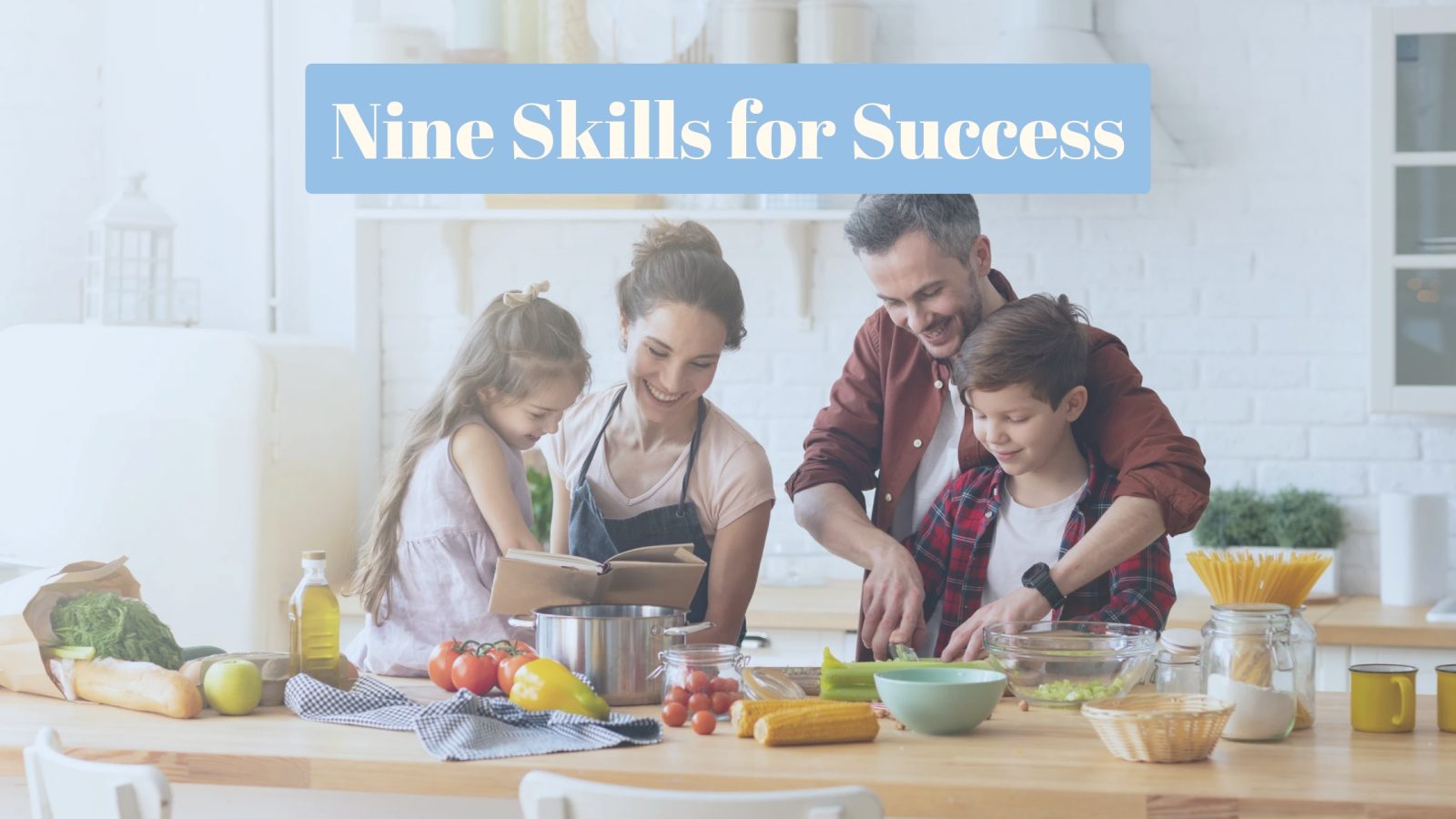
Imagine you’re planning a family dinner. You read a recipe, write a shopping list, calculate ingredient quantities, and search online for store hours. When an ingredient is unavailable, you find an alternative. You discuss the menu with your family, prepare the meal together, and adjust the plan if something doesn’t go as expected.
That ordinary dinner involves all nine skills!
The nine Skills for Success
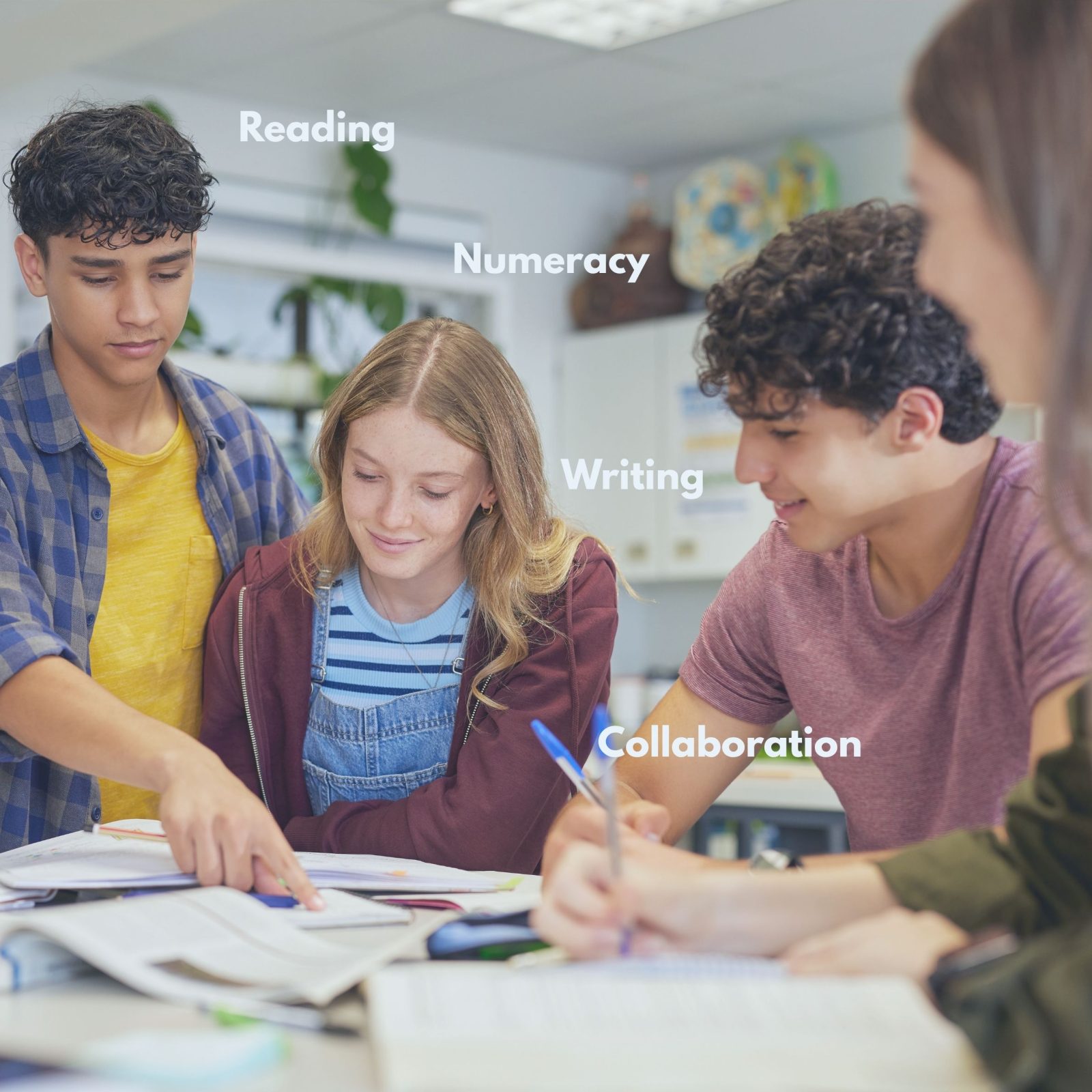
- Reading helps us understand written information, from books and messages to instructions, forms, signs, and websites. It also helps us discover new ideas and learn about the world.
- Writing helps us share information and express ideas. Text messages, emails, shopping lists, applications, and school assignments all use writing skills. Writing doesn’t have to be formal to be useful.
- Numeracy is about understanding and using numbers. We use it to compare prices, manage a budget, follow measurements, estimate time, read schedules, and make everyday calculations.
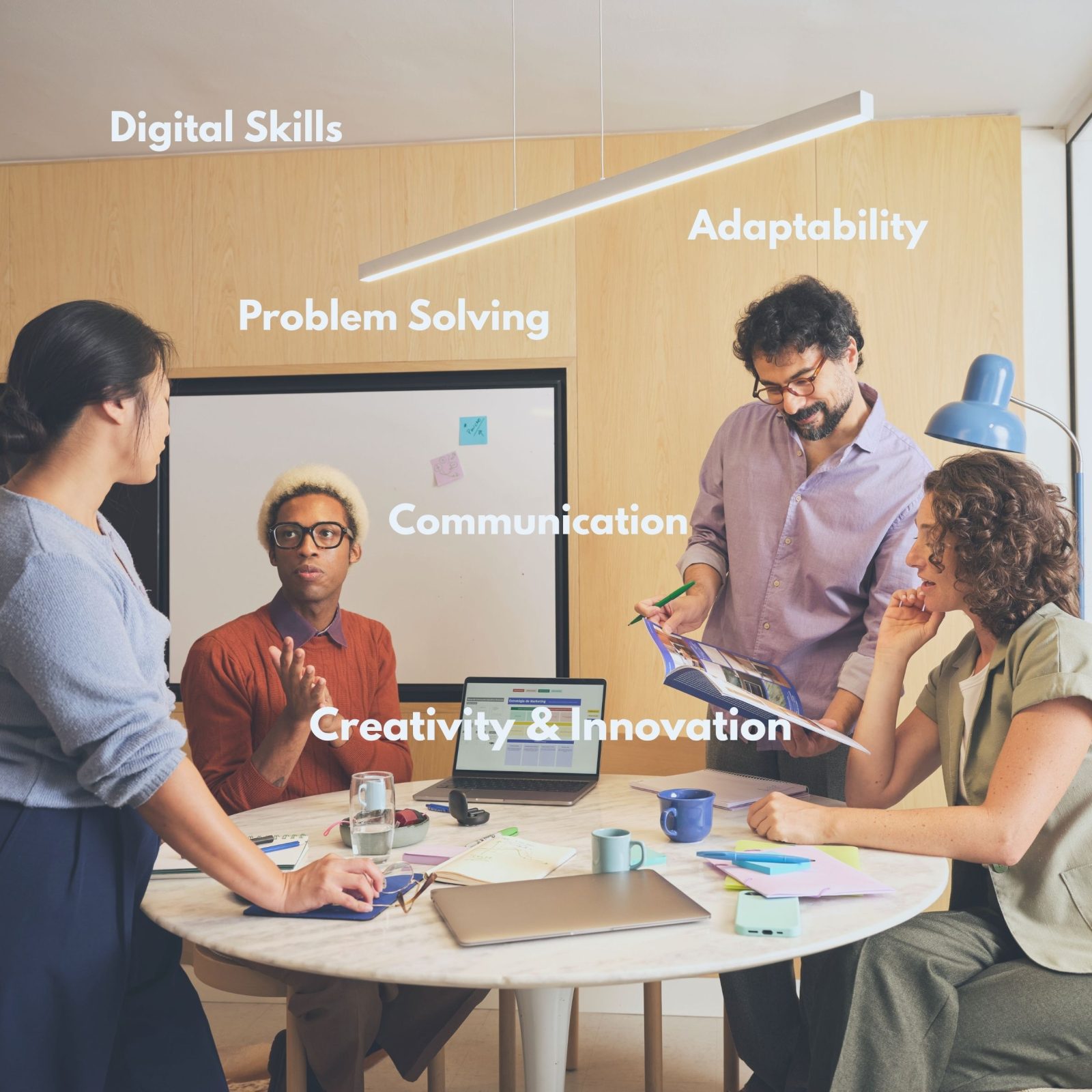
- Digital skills help us use devices, software, websites, and online services. Learning a new app, completing an online form, communicating digitally, and finding reliable information all involve digital skills.
- Problem solving helps us understand a situation, consider possible solutions, and decide what to do next. Sometimes it’s a big challenge. Sometimes it’s simply asking, “Why isn’t this working?”
- Communication is more than speaking. It includes listening, asking questions, sharing information, explaining ideas, and understanding other people’s perspectives.
- Creativity and innovation isn’t limited to artists or designers. It can mean imagining possibilities, looking at something differently, or finding a new approach. Cooking without a recipe, inventing a game, or discovering a better way to organize a room can all involve creativity.
- Collaboration means working with others toward a shared goal. It involves contributing ideas, listening to different perspectives, and finding ways to work together. We use it at home, at school, at work, and in community activities.
- Adaptability helps us respond to change, learn a different method, and adjust when things don’t go as expected, as plans change, technology evolves, and new situations arise.
These skills can grow with practice
Skills for Success aren’t a checklist of abilities you either have or don’t have. They can be developed and strengthened through learning and practice.
The Government of Canada offers a Skills for Success resource hub, including assessment and training tools. Many of the listed resources are free and can help people explore their skills or find ways to strengthen them.
ABC Life Literacy Canada also provides free Skills for Success learning resources, including materials and workbooks for individual learning, workshops, and activities.
You don’t need to work on everything at once. Start with something small.
Try a skill of the week!
Choose one skill to explore each week. Here are a few ideas to get started:
- Reading: Read an article, story, or recipe about something that interests you.
- Numeracy: Try a number puzzle, compare prices, or practise measuring ingredients.
- Digital skills: Learn one new feature on a device or program you already use.
- Creativity: Make something or find a new way to approach an everyday task.
- Communication: Practise asking questions, listening carefully, or explaining an idea clearly.
You can choose other skills, repeat an activity, or adapt these ideas to suit your interests. The goal isn’t to get everything right. It’s to keep learning.
Try a skill of the week
Choose one skill to explore each week. Here are a few ideas to get started:
- Reading: Read an article, story, or recipe about something that interests you.
- Numeracy: Try a number puzzle, compare prices, or practise measuring ingredients.
- Digital skills: Learn one new feature on a device or program you already use.
- Creativity: Make something or find a new way to approach an everyday task.
- Communication: Practise asking questions, listening carefully, or explaining an idea clearly.
You can choose other skills, repeat an activity, or adapt these ideas to suit your interests. The goal isn’t to get everything right. It’s to keep learning.
Learning happens in everyday life
We sometimes imagine learning as something that happens when we sit down for a lesson. But it also happens while we’re cooking, planning, talking, building, helping, exploring, and solving problems.
A child building something from cardboard may be practising creativity and problem solving. A family planning a trip may use reading, numeracy, digital skills, communication, and adaptability. Someone learning to use an online service is building digital skills and confidence.
Everyday life is full of opportunities to learn.
Skills for Success and lifelong learning
At Literacy Now Burnaby, this connects closely with our work in community literacy. Supporting literacy means helping create opportunities for people to develop skills they need to learn, participate, connect, and pursue their goals.
Sometimes learning starts with a book. Sometimes it starts with a question or trying something new. And sometimes it starts with realizing that a skill we find challenging is something we can practise and improve.
A small challenge
Think about your day so far.
Which of the nine Skills for Success have you already used today?
You might be surprised by the answer. And tomorrow brings more opportunities to practise, learn, and grow.