
September gives us several reasons to pause and think about literacy.
In British Columbia, September is Literacy Month, led by Decoda Literacy Solutions. September 8 was also International Literacy Day, which UNESCO marked this year with its 60th anniversary and the theme “Literacy for people, the planet and prosperity.”
These September observances offer a useful starting point, but literacy is not something that belongs to one month.
Literacy is part of everyday life, all year long.
What does literacy look like today?
Reading a book is literacy.
So is writing a message, understanding a form, following instructions, comparing information, navigating a website, helping a child with homework, or learning how to use a new digital service.
We use literacy whenever we need to understand, communicate, find, evaluate, or use information.
Literacy can help us participate in school and work, navigate everyday responsibilities, access services, and continue learning throughout our lives.
That is why literacy isn’t only something we think about in a classroom.
It happens wherever people are learning. It grows with us.
Literacy connects us
The “people” in UNESCO’s 2026 theme is a useful reminder that literacy is deeply connected to relationships and everyday life.
A child listening to a story with a parent is developing language while spending time together. A grandparent sharing a family story is passing knowledge from one generation to another. Someone learning English may be gaining confidence to communicate with neighbours or participate in their community. A librarian recommending a book can help a child discover a new interest. A volunteer helping someone practise a skill can make learning feel a little less intimidating.
These moments may seem small, but they help create places where learning feels possible and accessible.
A literacy-friendly community can be found in many places: at home, at the library, in a community centre, at school, or simply among the people we live alongside.
Decoda’s Literacy Month campaign highlights this local approach by supporting community-based literacy programs and partnerships that create learning opportunities for children, families, and adults throughout British Columbia.
Literacy helps us navigate everyday life
The “planet” part of UNESCO’s theme also gives us something to think about.
We live in a world filled with information about the environment, health, technology, communities, and countless other topics.
Literacy gives us tools to ask questions, understand information, consider different perspectives, and keep learning about the world around us.
We don’t need to know everything.
We need opportunities to learn how to find and make sense of what we need to know.
This can be especially important as more of our everyday lives move online. From filling out forms to finding reliable information or learning to use a new digital service, literacy skills can help us feel more confident navigating a changing world.
Literacy can open doors
The final part of UNESCO’s theme is “prosperity.”
For individuals and communities, opportunity can take many forms. It might mean developing skills for school, preparing for work, understanding workplace information, navigating services, supporting a child’s education, or gaining confidence with something that once felt difficult.
This is one reason local literacy programs are so important.
Across British Columbia, Decoda Literacy Solutions supports a network of 101 Literacy Outreach Coordinators serving 400 communities. These coordinators work with local organizations, libraries, schools, employment agencies, family resource programs, and literacy groups to identify local needs and develop programs and services.
Literacy support doesn’t have to look the same in every community. It works best when it responds to the people who live there. (Decoda Literacy Solutions)
Literacy support doesn’t have to look the same in every community. It works best when it responds to the people who live there.
Small ways to support literacy
September’s literacy campaigns give us a reason to stop and pay attention. But awareness is only the beginning.
Building a stronger literacy community isn’t only the responsibility of teachers or literacy organizations. Families, libraries, volunteers, community groups, and neighbours can all help create opportunities for learning.
We can keep literacy visible throughout the year by doing small things:
- Share books and stories. Read together, recommend a favourite book, or help someone discover a new one.
- Make space for questions. Learning becomes easier when people feel comfortable saying, “I don’t understand this yet.”
- Connect people with resources. Libraries and community organizations can be valuable starting points for finding learning opportunities.
- Volunteer or participate. Community programs often depend on people who are willing to share their time, skills, and encouragement.
- Keep learning. Trying something new is one way of reminding ourselves that learning is a lifelong process.
Decoda’s 2026 Literacy Month campaign, “Your Gift. Their Next Chapter,” focused on the importance of community support for literacy programs and partnerships across BC.
But a gift doesn’t always have to be financial.
Sometimes it is…
… a book.
… an hour of your time.
… encouragement.
… simply helping someone find the right door.
Literacy in Burnaby
Literacy is a global idea, but it becomes meaningful in the places where we live.
Here in Burnaby, libraries, schools, community organizations, families, volunteers, and local programs all contribute to creating opportunities for people to learn and connect.
At Literacy Now Burnaby, our work is rooted in that community approach. Whether it’s putting a book into someone’s hands, creating opportunities for families to participate, sharing information about literacy resources, or simply making learning feel welcoming, each small action can contribute to a stronger local learning environment.
Literacy is not only about what an individual can do. It is also about having opportunities to learn, practise, participate, and feel supported.
Finding literacy resources in Burnaby
Not sure where to start? Burnaby has several places where children, families, newcomers, and adults can find opportunities to learn, practise new skills, and connect with others.
Burnaby Public Library
Beyond books, Burnaby Public Library offers programs, learning resources, and support for families, children, newcomers, and people developing digital skills. Library staff can also help you find resources that match your interests or needs.
Families can talk with children’s librarians about books, reading, learning, and resources for their children. Each branch has a dedicated children’s librarian who can help families find books and connect with community resources.
The library also provides information about services for immigrants and newcomers, including English-language learning, settlement, employment, and other community resources.
Literacy Now Burnaby
Its website is a useful starting point if you’re looking for local programs and support related to reading, writing, digital skills, family learning, and other areas of literacy.
Burnaby Neighbourhood House
If you’re looking for more specialized support, Burnaby Neighbourhood House offers community programs including adult literacy and digital learning opportunities. Its Community Adult Literacy Program provides free one-to-one tutoring for eligible adult learners, while its Digital Cafe helps people build practical skills such as using email, completing online forms, browsing the internet, and staying safe online.
Decoda’s Literacy Program Map
Looking beyond Burnaby? Decoda Literacy Solutions maintains a province-wide literacy program map that can help you discover literacy programs and services in communities across British Columbia.
Whether you’re looking for support with reading and writing, learning digital skills, helping a child develop a love of books, or simply finding a place to keep learning, there are people and organizations ready to help.
September may end, but literacy continues
International Literacy Day gives us a moment to think about literacy on a global scale. Literacy Month gives British Columbians an opportunity to celebrate and support literacy in our own communities.
And themes such as “Literacy for people, the planet and prosperity” and “Your Gift. Their Next Chapter” remind us why literacy and community support matter.
But we don’t need to wait for September to read together, learn something new, visit the library, volunteer, or connect someone with a resource.
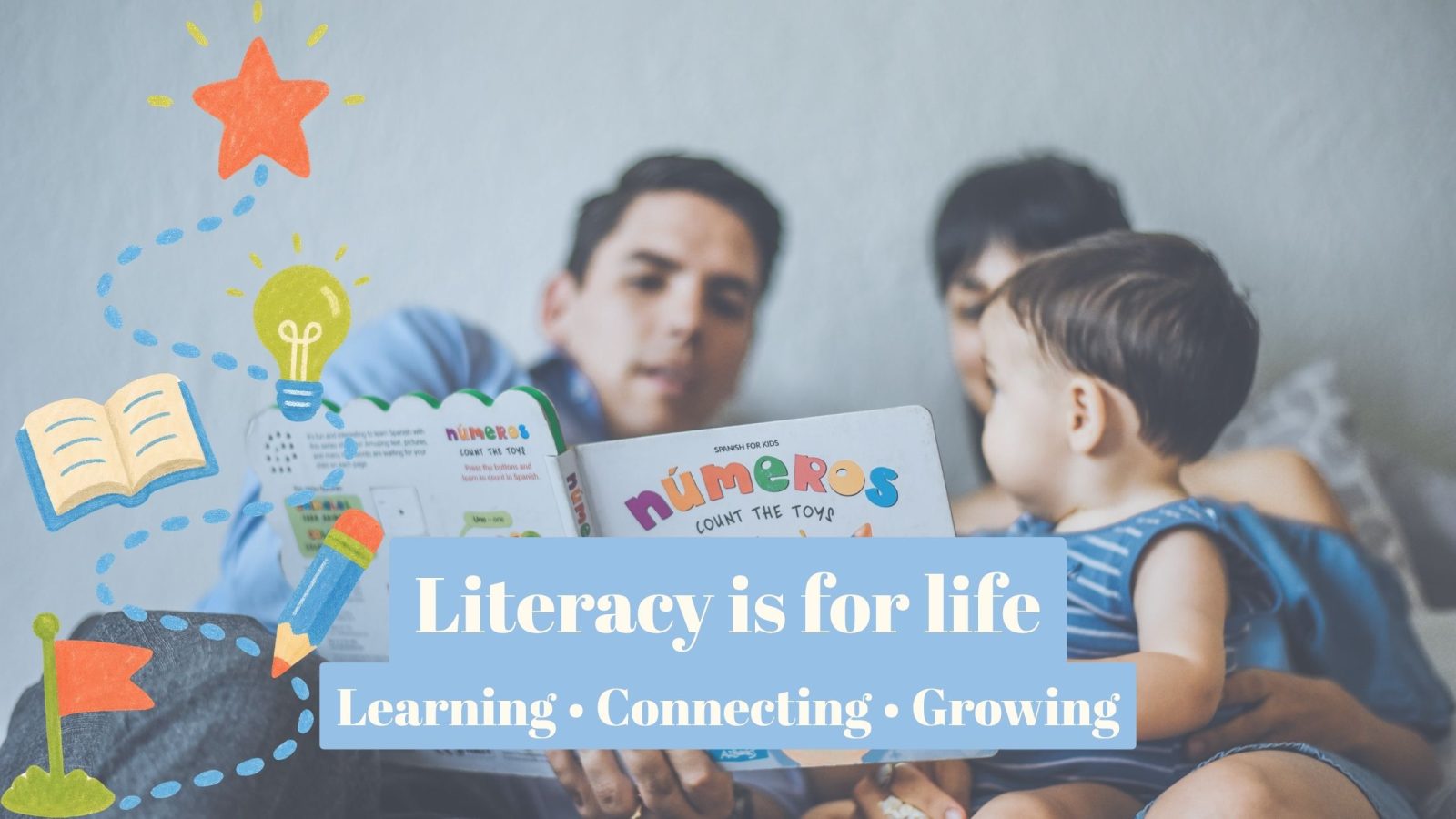
Literacy is for life.
It is in the stories we share, the information we understand, the questions we ask, the skills we develop, and the connections we make.
At Literacy Now Burnaby, we believe that creating more opportunities to learn helps build a community where people can participate, connect, and grow.
So as September comes to a close, perhaps the best way to celebrate literacy is simply to keep it going.
One book. One conversation. One new skill. One opportunity at a time.