
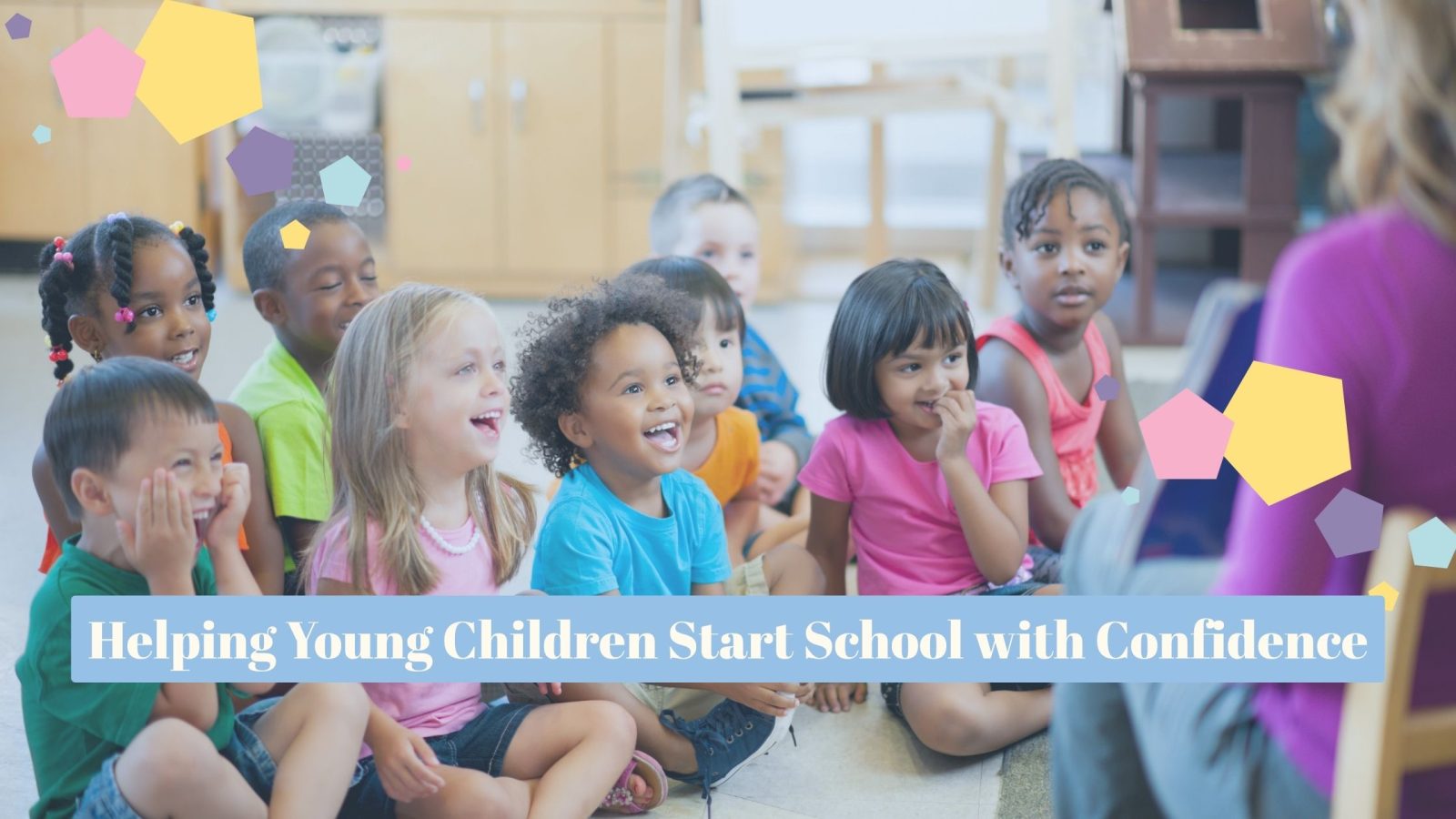
Starting school is a big step for any child. For families who are new to Canada, it can also be a time filled with new questions.
What is preschool like here? How does the Canadian school system work? What will my child need to know before Kindergarten? Where can we meet other families? What community resources are available to us?
For young children, the transition into a new environment does not have to begin with worksheets, formal lessons, or knowing every answer. It can begin with play.
Play gives young children opportunities to explore, communicate, make friends, solve problems, express themselves, and develop the confidence they need as they enter new learning environments. In British Columbia, play is recognized as an important part of early learning, including in preschool and the transition to Kindergarten.
For newcomer families, early learning programs can also provide something equally important: a bridge between home, community, and the Canadian education system.
That is the idea behind Bridges Preschool Program, a free program offered through Burnaby Neighbourhood House for newcomer families with children ages 3–4.
Learning Begins Long Before the First Day of Kindergarten
Children are learning from the moment they begin exploring the world around them.
- A child listening to a story is learning new words.
- A child pretending to run a restaurant is practicing communication and social skills.
- A child building a tower is experimenting with balance, planning, and problem-solving.
- A child drawing a picture and explaining it is connecting ideas, language, and expression.
These may look like ordinary childhood activities, but they are also important early learning experiences.
The Government of British Columbia explains that young children do much of their learning through play and encourages families to provide regular opportunities for fun, play-based experiences. B.C.’s Early Learning Framework also identifies play as integral to children’s well-being and learning.
This is one reason play-based learning is so valuable when preparing children for school. It allows children to develop skills while they are actively participating, experimenting, asking questions, and following their curiosity.
What Is Play-Based Learning?
Play-based learning does not mean that children are simply left to play without purpose.
Instead, educators can create environments and experiences where children learn through exploration, while adults observe, encourage, ask questions, introduce ideas, and help extend children’s thinking.
The B.C. government’s Play Today resources describe a wide range of play experiences and explain how educators and families can support children’s learning through play. The approach can include child-directed play, educator-guided experiences, and activities where adults intentionally support children’s learning.
For example, imagine a child playing with toy animals.
An adult might ask: “Where do you think the animals are going?”
That simple question can lead to a conversation about places, movement, stories, colours, sounds, and new vocabulary.
Or perhaps a child is drawing a picture. Instead of focusing on whether the drawing looks “right,” an adult can ask: “Tell me about your picture.”
The child now has an opportunity to describe, explain, imagine, and tell a story.
That is literacy, too.
Play and Literacy Go Hand in Hand
When we talk about literacy, we sometimes focus on the moment when children learn to read and write. But literacy development begins much earlier.
Before children become independent readers, they are developing what are often called early or emergent literacy skills. These include listening, speaking, understanding language, learning new vocabulary, noticing print, recognizing that marks and pictures can communicate meaning, enjoying stories, and beginning to understand how books work.
Family literacy is particularly important because these skills develop naturally through everyday interactions. Reading a bedtime story, singing a song, talking while cooking, looking at signs on a walk, drawing together, or telling a family story can all become opportunities for learning.
Decoda Literacy Solutions describes family literacy as learning that happens through everyday activities at home and in the community. Its resources encourage families to learn and play together rather than treating literacy as something that only happens in formal educational settings.
This is good news for parents as your conversations, stories, songs, questions, and shared experiences already have enormous value.
For Newcomer Families, There Is Another Bridge to Build
Starting life in a new country can mean learning many things at once.
Families may be learning a new language, discovering new services, navigating transportation, understanding school expectations, finding health and community resources, and building new friendships.
For parents of young children, there can be an additional concern: understanding how their child’s education will work in Canada.
Decoda’s work with newcomer families through its Parents as Literacy Supporters in Immigrant Communities (IPALS) program has highlighted this need. The program uses play-based family literacy to help parents and preschool-aged children develop language and literacy skills while becoming more familiar with Canadian schools and communities.
The experience of newcomer families also shows why these programs can be about much more than preparing children academically.
They can help families feel connected, create opportunities to meet other parents, give caregivers a place to ask questions and they can help families discover community resources that they may not otherwise know about.
A Local Bridge for Burnaby Families
This is where Bridges Preschool Program comes in.
Offered through Burnaby Neighbourhood House’s South House, Bridges is designed for families who are new to Canada and have children ages 3–4 who may not have attended preschool before.
The program combines learning about the Canadian school system with play-based activities, social connections, community resources, and field trips.
According to Burnaby Neighbourhood House, the Bridges program has included opportunities for children to explore the importance of play as well as visits to places such as a local school, library, and fire station.
The program also reflects the broader philosophy of Burnaby Neighbourhood House’s preschool programming, which emphasizes learning through play and supports children’s social, emotional, physical, and intellectual development through activities such as art, music, drama, indoor and outdoor play, community outings, and free play.
Bridges Preschool Program: Fall 2026
For the upcoming Fall 2026 program, the information provided by Burnaby Neighbourhood House is:
📅 Dates: September 1 – November 3, 2026 (10 sessions)
📆 Day: Only Tuesdays
⏰ Time: 3:30–5:30 PM
📍 Location: Burnaby Neighbourhood House – South House, 100-4460 Beresford St., Burnaby
💵 Cost: Free
The program is intended for newcomer families with children ages 3–4. Registration required and spaces are limited.
To learn more or register, contact Alba:
📞 236-889-5212
📧 edmondsoutreach@burnabynh.ca
Because program dates and registration details can change, families should contact Burnaby Neighbourhood House directly to confirm current availability and eligibility before attending.
What Children Can Learn Through These Experiences
A play-based preschool experience can support many skills that children will use when they enter school.
- Communication: Children have countless opportunities to talk, listen, ask questions, explain their ideas, and interact with other children and adults.
- Early Literacy: Stories, songs, conversations, drawing, pretend play, and exposure to books all create opportunities to develop language and early literacy.
- Social Skills: Playing with other children gives young learners opportunities to practice sharing, cooperation, turn-taking, negotiation, and communication.
- Confidence: Trying something new in a supportive environment can help children become more comfortable participating in groups and navigating unfamiliar situations.
- Independence: Children can practice making choices, solving small problems, following routines, and taking responsibility for simple tasks.
- Curiosity: Perhaps most importantly, play encourages children to ask questions and explore the world around them.
These skills do not develop separately. A single activity can support several areas at once.
A pretend grocery store, for example, can involve conversation, counting, social interaction, storytelling, problem-solving, and early reading skills.
That’s the beauty of play-based learning: learning can happen everywhere.
Parents Are Part of the Learning Journey
One of the most valuable parts of family-focused early learning programs is that children are not learning alone. Parents and caregivers are learning, too.
The B.C. Early Learning Framework recognizes families as having an important role in children’s well-being and learning. It encourages educators and families to work together and develop shared understandings about children’s early learning.
For a newcomer parent, this can be particularly empowering. Instead of wondering whether they are doing enough to prepare their child for school, parents can discover practical ways to support learning through things they already do every day.
- Read a book.
- Sing a song.
- Talk about the weather.
- Ask your child what they noticed at the park.
- Cook together.
- Draw together.
- Visit the library.
- Tell a story from your childhood.
None of these activities needs to feel like homework. They are simply ways of being together and learning together.
You Can Support Early Literacy in Any Language
There is another important message for multilingual families: Your home language matters.
Parents sometimes worry that speaking their first language with their child might interfere with learning English. But maintaining family languages can help children communicate with family members, develop their identity, and stay connected to their culture and community.
Family stories, songs, rhymes, and conversations in the language spoken at home are valuable literacy experiences. You can:
- Read a bilingual book.
- Tell a story in your first language and then talk about it in English.
- Sing the songs you remember from childhood.
- Teach your child words from both languages.
- Visit the library and look for books in your family’s language.
Literacy does not have to happen in only one language.
Preparing for School Is About More Than ABCs
When parents think about school readiness, they may understandably focus on letters, numbers, colours, and knowing how to write a child’s name.
Those things can be useful, but school readiness is much broader.
Children also benefit from being able to:
- Communicate their needs
- Listen to others
- Participate in group activities
- Interact with peers
- Make choices
- Try something unfamiliar
- Ask for help
- Solve problems
- Manage everyday routines
- Feel comfortable exploring and learning
B.C.’s approach to early learning recognizes the importance of social-emotional development, relationships, communication, inquiry, play, and culturally appropriate learning experiences alongside children’s cognitive development.
In other words, preparing for school isn’t about making a child “ahead.” It is about helping them feel ready to participate, curious enough to explore, and confident enough to try.
Community Connections Can Make the Transition Easier
A preschool program can also be a gateway to the wider community.
Families might discover their local library, meet other parents, learn about school programs, find out about community services, or simply become familiar with places they will visit regularly.
Burnaby has several resources for families with young children.
Burnaby Public Library
Burnaby Public Library offers children’s programs, books, resources, and support for families. Children’s librarians can help caregivers find books suited to their child’s interests and stage of learning, as well as connect families with community resources.
Explore Burnaby Public Library’s resources for children and families and Explore BPL for Kids.
StrongStart BC
StrongStart BC offers free, play-based early learning programs for young children and their parents or caregivers. Programs include activities such as stories, music, and art and are designed to support children’s development and transition toward Kindergarten.
Learn about StrongStart BC and Other B.C. Early Learning Programs
Burnaby Neighbourhood House
Burnaby Neighbourhood House offers family programs, newcomer services, early learning opportunities, and community connections throughout Burnaby. Its Family Programs include drop-in opportunities for parents and caregivers with children ages 0–5, while newcomer services help families connect with information, referrals, language support, and community resources.
Explore Burnaby Neighbourhood House programs and services
Simple Play-Based Literacy Ideas for Home
You don’t need to wait for a preschool program to begin. Try one of these simple activities this week:
- Make up a story: Choose three objects around the house and invent a story about them together.
- Go on a letter hunt: Look for letters on signs, food packages, buses, or shop windows while walking around your neighbourhood.
- Create a pretend shop: Use empty food containers and let your child pretend to be the shopkeeper or customer.
- Draw and tell: Ask your child to draw something and then invite them to tell you about their picture.
- Sing together: Songs, rhymes, and repeated phrases are wonderful ways to play with sounds and language.
- Read in your home language: Choose a favourite family story and share it in the language that feels most natural to you.
- Visit the library: Let your child choose a book based on whatever catches their attention.
And remember: you don’t have to correct every word or turn every activity into a lesson.
Sometimes the best thing an adult can do is simply listen and ask: “Tell me more.”
Find more activities at Decoda Literacy Solutions – Let’s Play! Activities for Families
Building a Bridge Together
Starting school is a journey, and every family begins that journey from a different place.
For newcomer families, that journey may include learning a new language, understanding a new education system, finding community connections, and helping children feel at home in a new environment.
Programs such as Bridges Preschool Program can help make that journey feel a little less unfamiliar.
But the bridge doesn’t end when the program does. It continues through family conversations, library visits, neighbourhood programs, shared stories, songs, outdoor adventures, and everyday moments of curiosity.
At Literacy Now Burnaby, we believe literacy belongs everywhere: at home, in schools, at libraries, in parks, and throughout our community.
When children are given opportunities to play, talk, listen, imagine, create, and read, they are building more than early literacy skills. They are building confidence for the next chapter.
And when families and communities learn together, we all become part of that journey.