
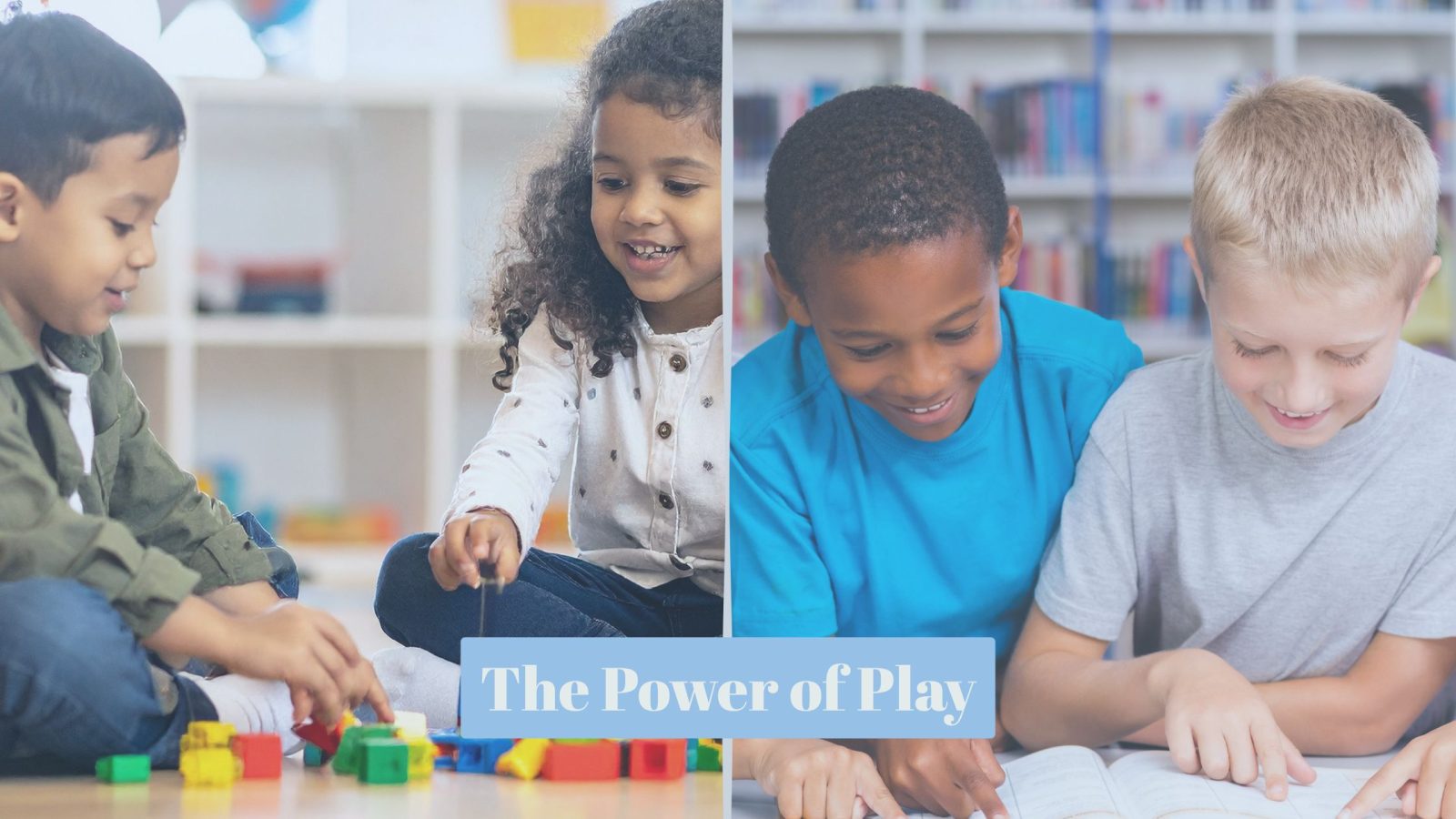
Play is often thought of as something children do simply for fun. But research shows that play is one of the most important ways children learn about themselves, others, and the world around them. Let’s talk about the power of play!
Each year on June 11, communities around the world recognize the International Day of Play, a United Nations observance that highlights every child’s right to play and the vital role play has in healthy development.
The 2026 theme, “Protect Play, Protect Childhood,” reminds us that play is not a luxury. It is an essential part of childhood and lifelong learning. (Source: UNICEF)
Play Is Learning
When children play, they are doing much more than having fun.
Through play, children develop:
- Language and communication skills
- Problem-solving and critical thinking abilities
- Creativity and imagination
- Social and emotional skills
- Confidence and resilience
- Early literacy and numeracy foundations
According to UNICEF, play helps children build creativity, resilience, social skills, and the foundations for lifelong learning and well-being. (Source: UNICEF)
Whether children are pretending to run a store, building a fort, singing songs, or inventing stories, they are developing important skills that support reading, writing, and learning.
How Play Supports Literacy
Many literacy skills begin long before a child learns to read independently.
Play naturally encourages children to:
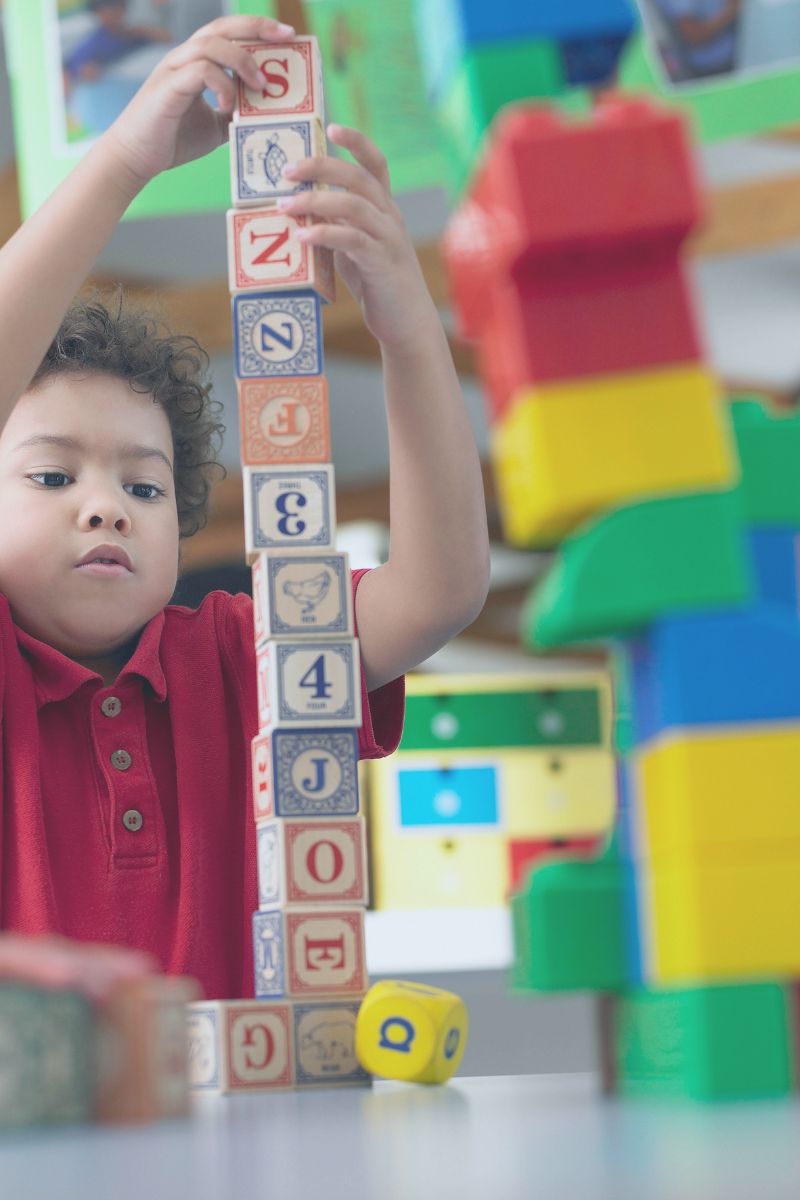
Strengthen Early Reading Skills: Rhyming games, songs, puzzles, and storytelling activities support phonological awareness and language development.
Develop Vocabulary: Children encounter new words through conversations, games, storytelling, and imaginative play.
Practice Communication: Playing with others teaches children how to listen, ask questions, share ideas, and express themselves.
Build Narrative Skills: Pretend play often involves creating characters, settings, and storylines, which helps children understand how stories work.
Why Play Matters More Than Ever
Many children today face increasing pressures from busy schedules, structured activities, and growing screen time.
UNICEF notes that access to free, unstructured play is shrinking in many communities around the world. Yet children need opportunities to explore, create, move, and imagine in ways that support healthy development. (Source: UNICEF)
Protecting time for play helps children:
- Reduce stress
- Develop independence
- Build emotional well-being
- Strengthen relationships
- Foster curiosity and a love of learning
Simple Ways Families Can Encourage Play
Supporting play does not require expensive toys or elaborate plans.
Try:
- Reading books together and acting out stories
- Building forts with blankets and pillows
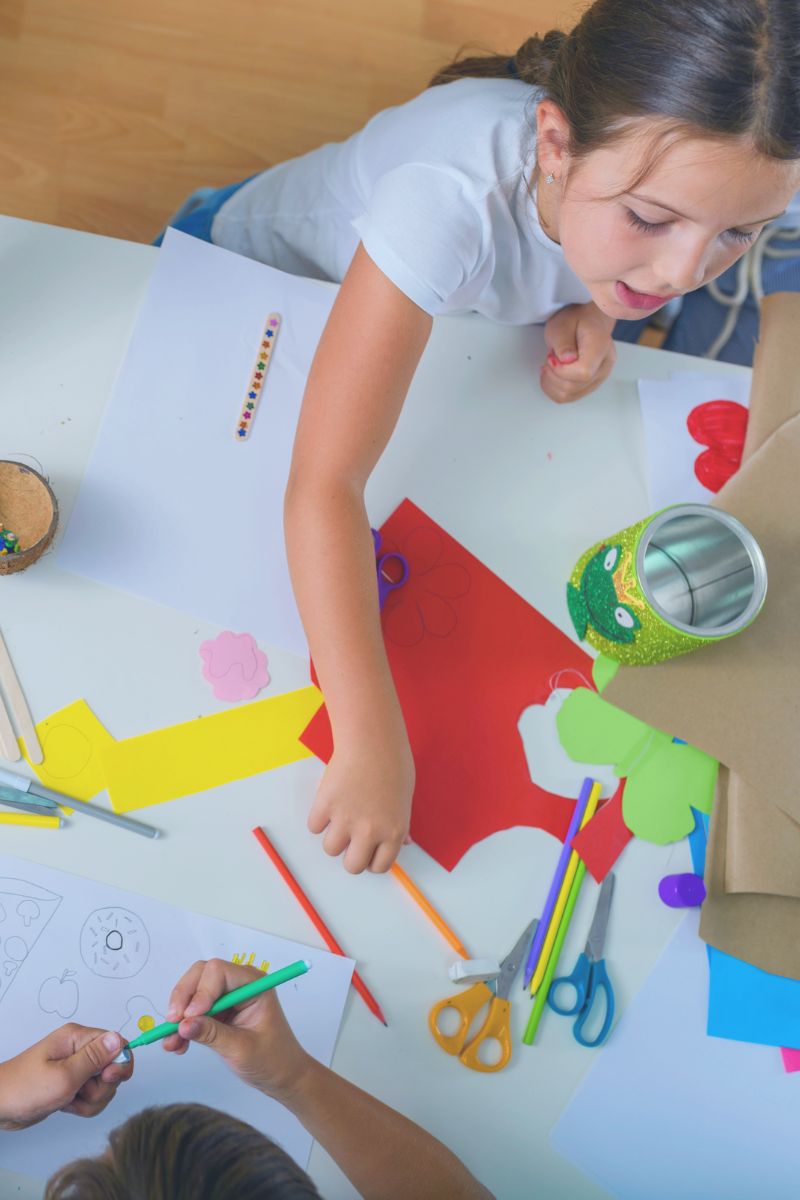
- Creating art with recycled materials
- Exploring neighbourhood parks and nature trails
- Singing songs and rhymes
- Playing board games
- Inventing imaginative stories together
These simple activities strengthen literacy skills while creating meaningful family connections.
Local Resources for Families in Burnaby
Families looking for opportunities to learn and play together can explore:
Burnaby Public Library
Offers storytimes, family literacy programs, children’s activities, books, and digital resources.
Burnaby Neighbourhood House
Provides family programs, community events, and opportunities for connection and learning.
Burnaby Early Childhood Development Community Table
Supports families with information about child development, early learning programs, parenting resources, community events, and services that help children thrive from birth through the early years.
Learning Through Play
Play is one of the first ways children learn to communicate, solve problems, build relationships, and explore their creativity. By protecting opportunities for play, we help children develop the literacy, confidence, and curiosity they need to succeed throughout life.
As we recognize International Day of Play, let’s celebrate something simple yet powerful: learning can happen through laughter, imagination, and play.
Learn More
- United Nations: International Day of Play
- UNICEF: International Day of Play
- UNICEF: The Science of Play