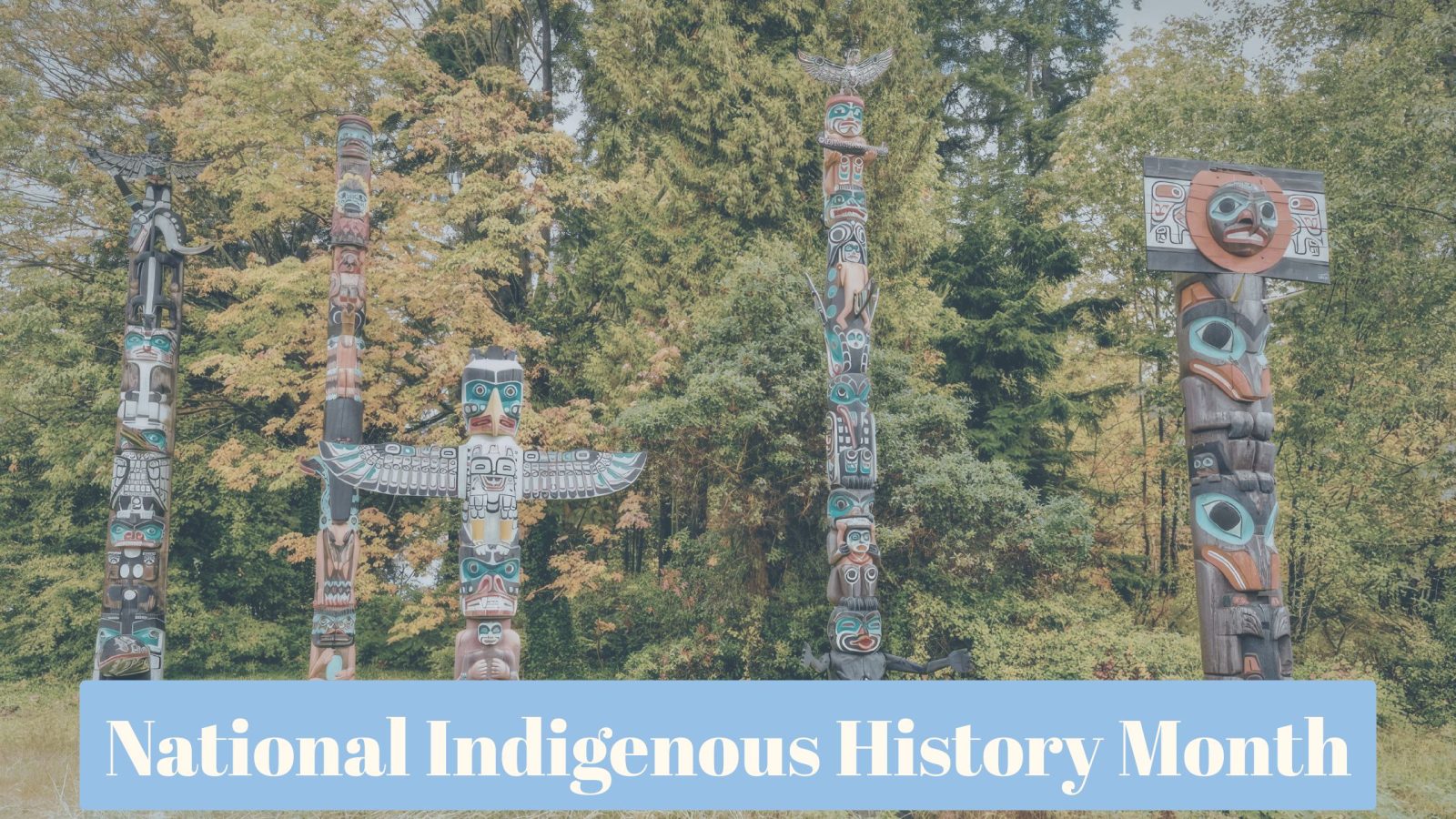
Every June, Canadians recognize National Indigenous History Month, a time to learn about, celebrate, and reflect on the histories, cultures, languages, and contributions of First Nations, Inuit, and Métis Peoples. It is also a time to acknowledge the ongoing impacts of colonization and to strengthen our commitment to reconciliation. (Canada.ca)
For literacy organizations, this month offers an important opportunity to explore the powerful connections between storytelling, language, culture, and learning.
Literacy Begins With Stories
Long before books were printed, knowledge was shared through oral storytelling traditions.
Across Indigenous communities, stories have long been used to teach:
- History
- Cultural values
- Community knowledge
- Relationships with the land
- Language and identity
Storytelling remains an important way of preserving culture and passing knowledge from one generation to the next.
Literacy is not only about reading and writing. It is also about listening, communicating, understanding stories, and sharing knowledge.
The Importance of Indigenous Languages
Language is a vital part of culture and identity.
Across Canada, many Indigenous communities are working to revitalize and strengthen Indigenous languages that were threatened by generations of colonial policies and residential schools. Today, language revitalization efforts continue through schools, community programs, Elders, cultural organizations, and families. (Prime Minister Canada)
Supporting Indigenous languages helps preserve:
- Cultural knowledge
- Oral traditions
- Community connections
- Intergenerational learning
- Unique ways of understanding the world
Language preservation is also a literacy issue because language and literacy grow together.
Learning as Part of Reconciliation
National Indigenous History Month encourages all Canadians to learn more about Indigenous histories and perspectives.
Learning can include:
- Reading books by Indigenous authors
- Listening to Indigenous storytellers and knowledge keepers
- Exploring Indigenous languages
- Visiting Indigenous-led museums and cultural centres
- Attending local Indigenous community events
- Learning about the Truth and Reconciliation Commission Calls to Action
Reconciliation is an ongoing process that begins with learning, listening, and building respectful relationships. (Canada.ca)
Indigenous Literacy in Action
Many literacy organizations across Canada are working alongside Indigenous communities to support:
- Family literacy programs
- Indigenous language revitalization
- Community storytelling projects
- Culturally responsive learning opportunities
- Access to educational resources
These initiatives recognize that literacy is strongest when it reflects and respects people’s languages, cultures, and lived experiences.
Learning Locally in Burnaby
Burnaby is located on the traditional territories of the Coast Salish peoples, including the:
- xʷməθkʷəy̓əm (Musqueam) First Nation
- Sḵwx̱wú7mesh Úxwumixw (Squamish Nation)
- səlilwətaɬ (Tsleil-Waututh Nation)
Residents can learn more through local cultural events, Indigenous-authored books available through the library, educational resources, and community programs throughout the year.
Local Resources
Burnaby Public Library
Offers Indigenous book collections, educational resources, and cultural learning opportunities.
Literacy Now Burnaby
Supports lifelong learning and community literacy while promoting inclusive access to knowledge and educational opportunities.
Learning Beyond One Month
National Indigenous History Month and National Indigenous Peoples Day (June 21) provide opportunities to learn, reflect, and celebrate, but learning should continue throughout the year.
By reading Indigenous authors, learning about Indigenous languages, listening to stories, and engaging with Indigenous perspectives, we help build more informed, respectful, and connected communities.
Learn More
- National Indigenous History Month (Government of Canada)
- National Indigenous Peoples Day
- Understanding the National Day for Truth and Reconciliation
- National Centre for Truth and Reconciliation